Novamont Develops New Marine-Biodegradable Film
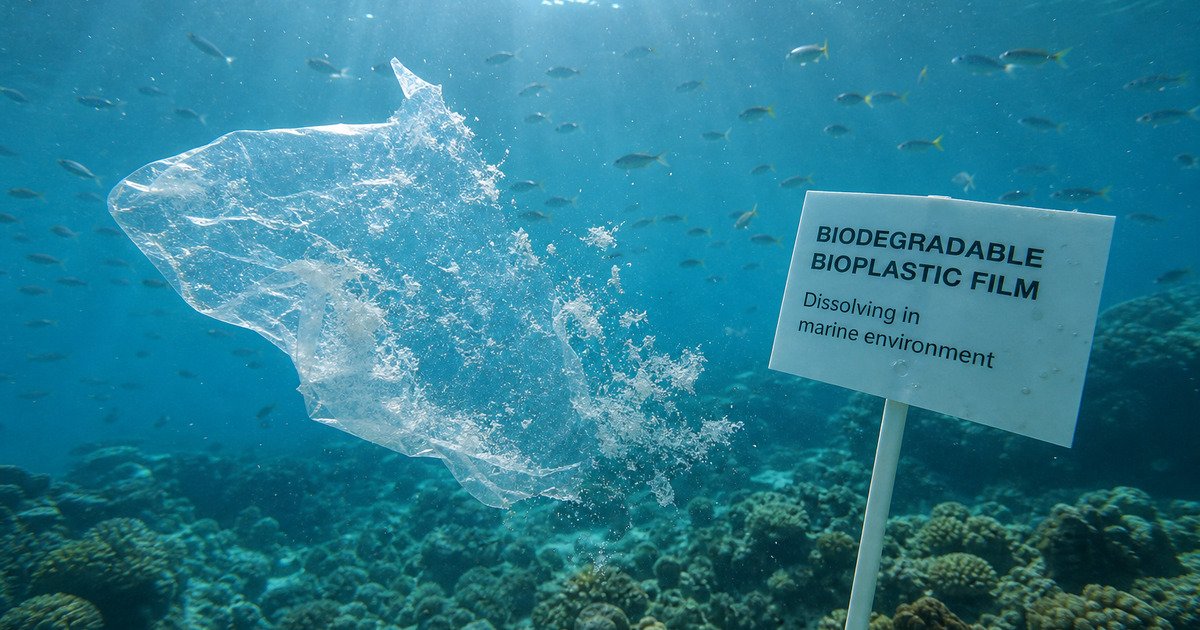
Italian bioplastics pioneer Novamont has reached a critical sustainability milestone with scientific confirmation that its Mater-Bi family of bioplastics fully biodegrade in marine environments within four to 12 months. This breakthrough addresses one of the most pressing environmental challenges of our time: the accumulation of plastic waste in the world’s oceans.
Marine Biodegradation: The Science
Independent scientific studies commissioned by Novamont have demonstrated that Mater-Bi bioplastics biodegrade completely in seawater through a natural process driven by marine microorganisms. The research, conducted using model organisms exposed to Mater-Bi materials for periods of 6 and 12 months, confirmed complete biodegradation with no toxic effects on marine life.
The marine biodegradation process works differently from terrestrial composting. In the ocean, microorganisms such as bacteria and fungi colonize the surface of the bioplastic material and secrete enzymes that break down the polymer chains into smaller molecules. These molecules are then metabolized by the microorganisms, ultimately converting the material into carbon dioxide, water, and biomass.
Critically, the studies revealed no toxic effects in the model organisms exposed to the biodegrading Mater-Bi material, confirming that the degradation byproducts are harmless to marine ecosystems.
The Marine Plastic Crisis
The development comes against the backdrop of a worsening global marine plastic crisis. An estimated 8 to 12 million metric tonnes of plastic enter the world’s oceans every year, with projections suggesting this could triple by 2040 without intervention. Plastic pollution has been found in every ocean on Earth, from the surface to the deepest trenches, and affects over 800 marine species through ingestion, entanglement, and habitat degradation.
Traditional plastics can persist in marine environments for hundreds of years, gradually fragmenting into microplastics that enter the food chain and accumulate in marine organisms. The development of materials that can safely biodegrade in seawater represents a paradigm shift in the fight against ocean pollution.
Mater-Bi: A Proven Platform
Mater-Bi is Novamont’s flagship family of biodegradable and compostable bioplastics, made entirely or partially from renewable raw materials. Developed through more than 30 years of research and innovation, Mater-Bi products are already widely used in:
- Agricultural mulch films — that biodegrade in soil after use, eliminating the need for collection and disposal
- Food packaging — certified compostable packaging for fresh food, coffee capsules, and food service items
- Shopping bags — compostable carrier bags used by major European retailers
- Food service items — compostable cutlery, plates, and cups
The extension of Mater-Bi’s biodegradation capabilities to marine environments significantly expands its environmental value proposition. Products that might inadvertently enter the marine environment through littering or inadequate waste management will now break down naturally rather than persisting as pollution.
Industry and Regulatory Implications
The European Union’s Single-Use Plastics Directive specifically targets products frequently found on beaches, many of which could benefit from marine-biodegradable alternatives. Regulatory bodies worldwide are increasingly interested in materials that offer environmental safety even when waste management systems fail.
“The confirmation that Mater-Bi biodegrades in the marine environment provides an important safety net for the environment,” said sustainability experts. “Even when products end up where they shouldn’t, they won’t persist and cause lasting harm.”
For industries operating in or near marine environments — including fishing, aquaculture, agriculture in coastal areas, and tourism — the availability of marine-biodegradable materials offers a practical pathway to reducing their environmental footprint.
Certifications and Standards
Mater-Bi products are certified according to the main European and international standards by recognized certification bodies. The company continues to work with standards organizations to develop and validate marine biodegradation testing protocols, helping to establish clear benchmarks for what constitutes genuine marine biodegradability.
This certification work is critical to preventing greenwashing and ensuring that claims of marine biodegradability are backed by rigorous scientific evidence.
Novamont’s Broader Mission
Novamont, headquartered in Novara, Italy, has been at the forefront of bioplastics innovation since its founding. The company’s mission centers on developing materials that work with natural cycles rather than against them, creating a bridge between the chemical industry and the agricultural and waste management sectors.
The company operates multiple production facilities in Europe and continues to invest heavily in research and development, with a particular focus on next-generation biopolymers and novel applications for its Mater-Bi platform technology.
Looking Ahead
As awareness of marine plastic pollution continues to grow and regulatory pressure intensifies, the demand for marine-biodegradable materials is expected to increase significantly. Novamont’s proven track record and existing production infrastructure position the company to serve this expanding market while continuing to advance the science of biodegradable materials.
The confirmation of marine biodegradability adds a powerful new dimension to the case for bioplastics as part of a comprehensive strategy to address plastic pollution across all environments.
Source
For more information, visit: Novamont