From Woad Leaves to Bioplastics: Blue&Pastel and NaturePlast Pioneer Natural Dye Pigments in Polymers
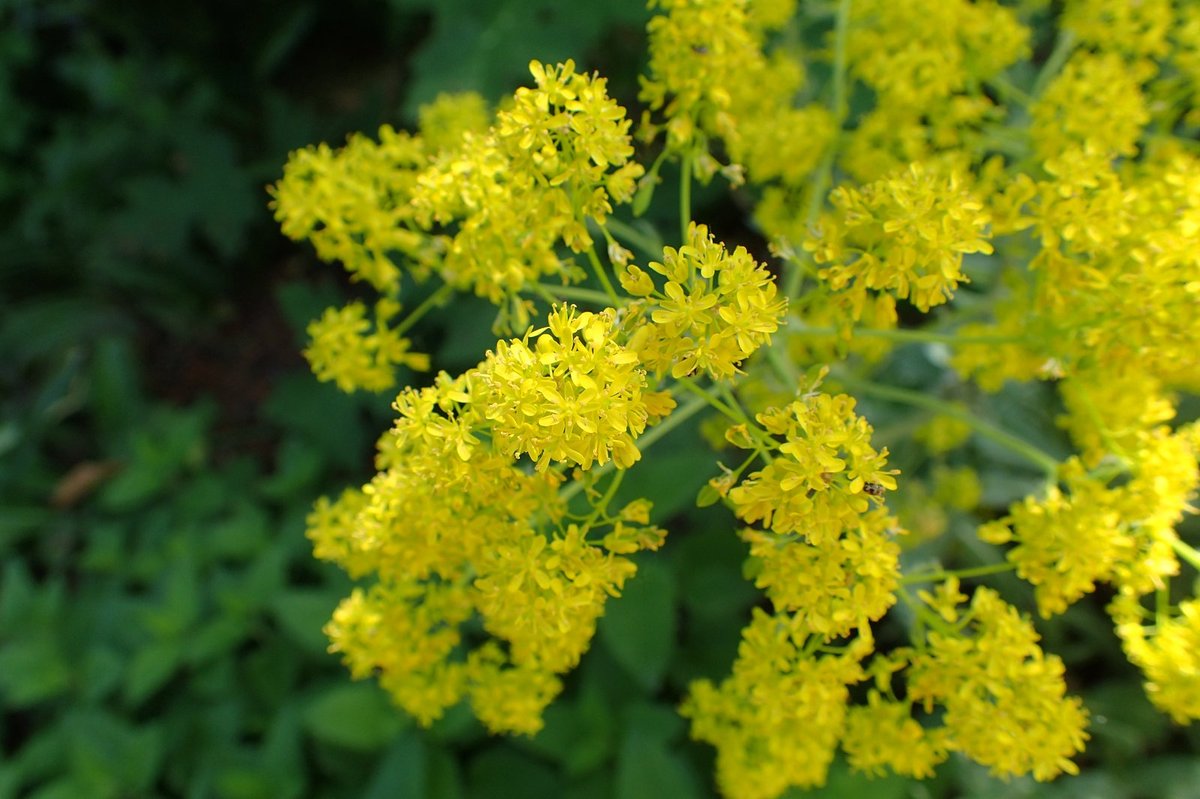
A Historical Crop Meets Modern Material Science
For centuries, the blue woad plant (Isatis tinctoria) was one of France’s most valuable agricultural resources — the source of a prized natural indigo dye that enriched entire regions, from Normandy to the Languedoc. The plant all but disappeared from French fields with the advent of synthetic indigo in the early 20th century. Now, a Normandy-based startup called Blue&Pastel is bringing it back — not just for textiles, but for an unexpected new application: bioplastics.
Their partner in this venture is NaturePlast, the Normandy-headquartered bioplastic materials specialist, together with its R&D subsidiary BiopolyNov. The collaboration aims to develop biobased polymer compounds incorporating natural pigments extracted from woad leaves.
The Blue&Pastel Story
Blue&Pastel was founded by Aurore Cottrel, who encountered the nearly forgotten woad supply chain and saw an opportunity to revive it as a modern, sustainable industrial crop. The company won recognition at the AGREEN STARTUP competition in Rouen (2022) and the Salon de l’Agriculture in Paris (2023), gaining visibility and agricultural sector support.
The company’s extraction process produces two outputs from the woad plant: a natural blue pigment (indigo) from the leaves, and a vegetable oil from the seeds. The goal is to replacepetroleum-derived synthetic indigo in textile dyeing — one of the most polluting processes in the fashion industry — while simultaneously creating a second revenue stream from the oil.
True to a zero-waste circular economy philosophy, Blue&Pastel aims to valorise every part of the plant:
- Seeds → vegetable oil for cosmetics and industrial applications
- Leaves → natural indigo pigment for textiles and now bioplastics
- Residual biomass → composting and soil regeneration
NaturePlast’s Role: Pigment Meets Polymer
NaturePlast brings over 18 years of expertise in bioplastic compounding and material science to the collaboration. Working through its R&D subsidiary BiopolyNov, the team is tackling the challenge of integrating woad-derived natural pigments into biobased polymer matrices.
The technical work programme focuses on four key areas:
- Pigment integration — studying how the natural colourant behaves in different biobased polymer matrices at varying concentrations to achieve target colour intensities
- Formulation development — creating biosourced compound formulations that incorporate the woad pigment without compromising processability
- Property evaluation — testing the mechanical, aesthetic, and transformation properties of the resulting coloured biocomposites
- Application identification — determining the most promising industrial end-uses for the pigmented bioplastics
The polymers under investigation are fully biobased — derived from plant biomass rather than fossil feedstocks — making the combination with a plant-based pigment a coherent, fully renewable material system.
Why Natural Pigments in Plastics Matter
Natural pigments remain a largely untapped resource in the plastics industry. While the textile sector has seen growing interest in plant-based dyes as alternatives to petrochemical colourants, the plastics world has been slower to adopt bio-based alternatives for colouring.
The potential is significant: beyond the obvious sustainability credentials (renewable feedstock, lower carbon footprint, non-toxic profile), natural pigments can deliver unique aesthetic properties — subtle colour variations, warm tonal shifts, and organic-looking surfaces that are difficult to achieve with synthetic dyes.
For packaging, consumer goods, and design-driven applications, these visual qualities command a premium. A bioplastic container tinted with natural woad indigo tells a fundamentally different story than one coloured with synthetic pigment.
Building a French Supply Chain
Beyond the materials science, the Blue&Pastel project represents an ambitious effort to rebuild a complete French value chain around a historically significant crop. Woad cultivation offers agronomic benefits — as a biennial plant, it supports crop rotation and soil regeneration, while providing habitat for pollinators.
The company is currently scaling from laboratory to industrial-scale extraction, with plans to expand cultivation across Normandy and potentially other French regions. The bioplastics application, alongside the textile and cosmetics markets, would provide an additional revenue stream that helps make the overall business case viable.
NaturePlast, meanwhile, continues to position itself at the forefront of biobased innovation in Europe. With the continent’s broadest portfolio of bioplastic raw materials — over 500 technical datasheets — and its in-house R&D capabilities, the company is well-equipped to translate agricultural innovation into industrial material solutions.
Outlook
The Blue&Pastel × NaturePlast collaboration is still in the R&D phase, with early results described as “very promising” by both parties. No commercial products have been announced yet, but the project demonstrates a compelling model for cross-sector innovation: an agricultural revival project meeting advanced materials science to create something neither could achieve alone.
If successful, woad-derived pigments could open a new chapter in biobased colouring — proving that sometimes the most innovative solutions have been growing in the field for centuries.
Source: NaturePlast — Actualités