Bakelite acquires sustainable adhesives maker Sestec
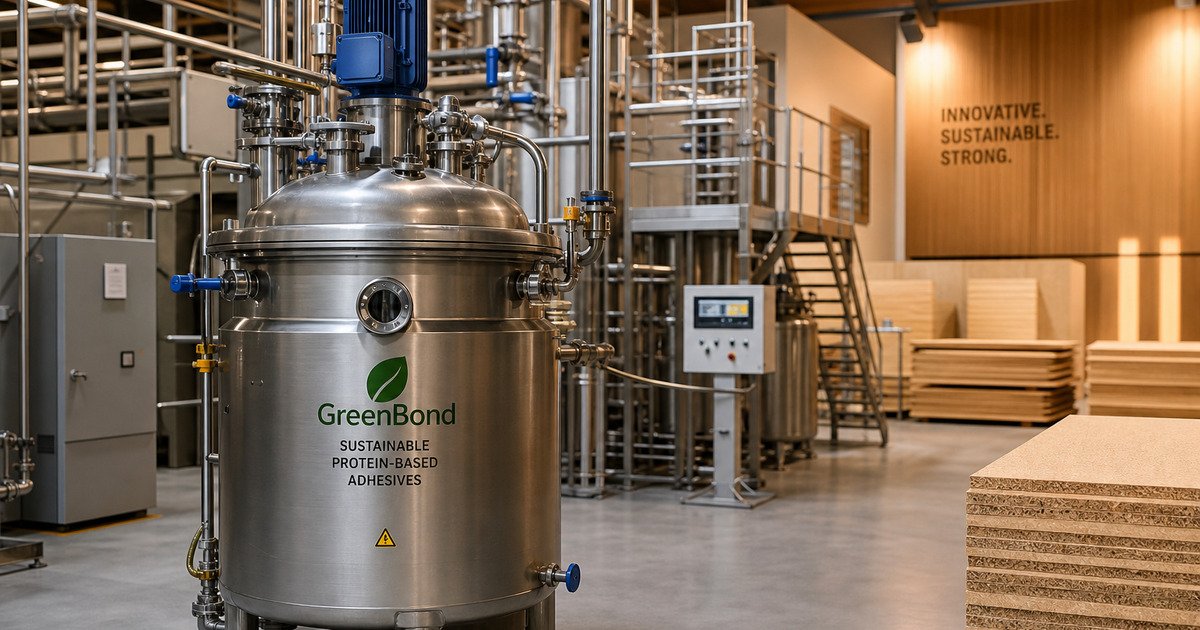
In a strategic move that strengthens its position in sustainable materials, thermoset resin leader Bakelite has acquired Sestec, a Polish company specializing in innovative protein-based adhesives for wood and composite products. The acquisition creates a powerful combination of Bakelite’s global scale and thermoset expertise with Sestec’s pioneering bio-based adhesive technology.
The Strategic Rationale
Bakelite, one of the world’s leading producers of thermoset resins, has been actively expanding its portfolio of sustainable materials to meet growing demand from industries seeking to reduce their environmental footprint. Sestec’s protein-based adhesive technology represents a breakthrough in replacing petroleum-based adhesives with renewable, bio-derived alternatives.
The acquisition gives Bakelite immediate access to Sestec’s proprietary protein-based adhesive formulations, which have been developed over years of research and are already commercially proven in wood composite applications. These adhesives offer comparable or superior performance to traditional synthetic adhesives while dramatically reducing the carbon footprint of bonded wood products.
Sestec: Pioneering Protein-Based Adhesives
Based in Poland, Sestec has developed a range of adhesive products based on renewable protein sources for applications in:
- Wood panels and engineered wood — replacing formaldehyde-based resins in particleboard, MDF, and plywood production
- Laminated timber products — structural adhesives for cross-laminated timber (CLT) and glulam
- Composite materials — bio-based bonding solutions for natural fiber composites
- Furniture manufacturing — sustainable adhesives for flat-pack and assembled furniture
Protein-based adhesives represent one of the most promising frontiers in sustainable materials science. Unlike traditional synthetic adhesives derived from petroleum, protein-based formulations use renewable raw materials — typically plant or animal proteins — that can be sourced sustainably and biodegrade at end of life.
Market Demand for Sustainable Adhesives
The acquisition comes as global demand for sustainable adhesive solutions accelerates across multiple industries. Key market drivers include:
- Construction sector decarbonization — The building industry is under intense pressure to reduce embodied carbon in materials. Bio-based adhesives for engineered wood products can significantly lower the carbon footprint of timber construction.
- Regulatory pressure — Increasingly strict regulations on formaldehyde emissions from wood products are pushing manufacturers toward alternative adhesive systems. The EU’s REACH regulation and similar frameworks worldwide continue to tighten limits on hazardous substances.
- Consumer preferences — Growing consumer awareness of indoor air quality and environmental impact is driving demand for products made with non-toxic, sustainable adhesives.
- Circular economy goals — Bio-based adhesives support circular economy objectives by enabling easier recycling and composting of wood products at end of life.
Complementary Strengths
The combination of Bakelite and Sestec brings together complementary capabilities:
- Bakelite’s global reach — With operations across Europe, Asia, and the Americas, Bakelite can rapidly scale Sestec’s technology to serve customers worldwide.
- Formulation expertise — Bakelite’s deep knowledge of resin chemistry enhances Sestec’s protein-based formulations for new applications and performance requirements.
- Customer relationships — Bakelite’s established relationships with major manufacturers in the wood, automotive, and construction sectors provide immediate market access for Sestec’s products.
- R&D capabilities — Combined research resources accelerate development of next-generation bio-based adhesive solutions.
The Broader Trend: Consolidation in Sustainable Materials
The Bakelite-Sestec deal reflects a broader trend of consolidation in the sustainable materials sector as companies seek to build comprehensive portfolios of bio-based products. This mirrors similar acquisitions across the chemicals industry, as established players recognize that the transition to sustainable materials requires both organic innovation and strategic acquisitions.
The bioplastics and bio-based materials sector has seen increasing M&A activity as companies race to develop and commercialize alternatives to petroleum-based products across applications ranging from packaging to construction to automotive.
Environmental Impact
The environmental benefits of replacing synthetic adhesives with protein-based alternatives are substantial:
- Reduced carbon footprint — Bio-based adhesives can reduce the carbon footprint of bonded wood products by 30-50% compared to petroleum-based alternatives
- Lower toxicity — Protein-based adhesives eliminate formaldehyde and other hazardous volatile organic compounds (VOCs) from manufacturing and use
- Biodegradability — Products bonded with bio-based adhesives can be more easily recycled or composted at end of life
- Renewable sourcing — Raw materials come from renewable agricultural sources rather than finite petroleum reserves
Looking Ahead
The integration of Sestec’s technology into Bakelite’s global operations is expected to accelerate adoption of sustainable adhesive solutions across the wood products and composite materials industries. As sustainability requirements continue to tighten worldwide, the combined company is well-positioned to capture significant market share in the growing bio-based adhesives market.
The acquisition also signals Bakelite’s commitment to leading the thermoset industry’s transition toward more sustainable materials, setting a precedent that other resin producers may follow.
Source
For more information, visit: Bakelite acquisition announcement