Blue Ocean fiber screw caps reach cost parity with plastic
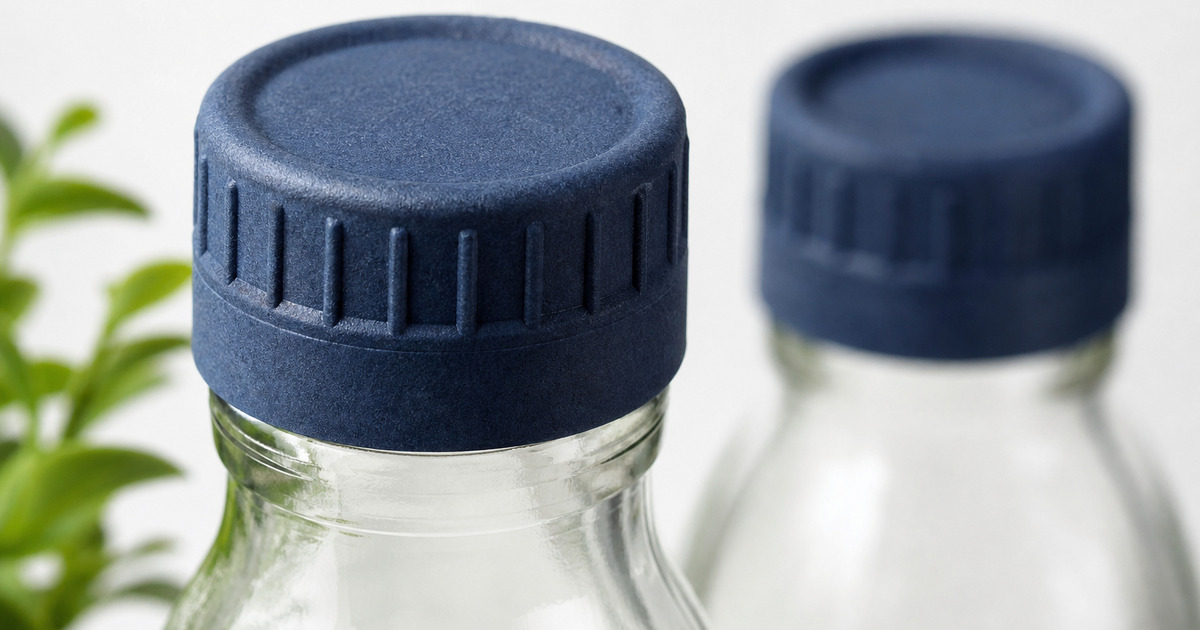
In a significant milestone for sustainable packaging, Swedish innovator Blue Ocean Closures has achieved cost parity between its fiber-based screw caps and conventional fossil plastic alternatives. This development marks a potential turning point for the packaging industry, where sustainable alternatives have historically carried a price premium that limited widespread adoption.
The Cost Parity Breakthrough
Blue Ocean Closures’ latest generation of fiber screw caps can now match or even undercut fossil plastic caps on material costs alone. The company’s proprietary fiber technology, developed over several years of intensive research and development, uses sustainably sourced wood fiber to create caps that perform comparably to plastic while offering dramatically improved end-of-life outcomes.
The cost breakthrough comes at a particularly opportune time. With rising oil prices driving up plastic raw material costs and increasing regulatory pressure on single-use plastics across Europe and beyond, the economic calculus for sustainable packaging alternatives has shifted decisively.
Lower Energy Consumption
Beyond material cost parity, Blue Ocean Closures’ fiber caps deliver significantly lower energy consumption during production. The manufacturing process for fiber caps requires up to 50% less energy compared to traditional plastic injection molding, according to the company’s lifecycle assessments. This reduction in energy use translates directly to lower carbon emissions, making the caps attractive from both an economic and environmental perspective.
The energy savings stem from the fundamentally different manufacturing process. While plastic caps require heating petroleum-based polymers to high temperatures for injection molding, the fiber cap process uses lower-temperature pressing and forming techniques that are inherently less energy-intensive.
Market Implications
The achievement of cost parity removes one of the last major barriers to adoption of sustainable closure solutions in the packaging industry. Brand owners and packaging converters have long expressed willingness to switch to more sustainable options, but have been constrained by the cost premiums that eco-friendly alternatives typically commanded.
“This is a game-changer for the industry,” said industry analysts following the development. “When sustainable options cost the same or less than plastic, the decision becomes a no-brainer for brand owners looking to meet their sustainability commitments.”
The timing aligns with the EU’s Packaging and Packaging Waste Regulation (PPWR), which mandates increased recycled content in packaging and promotes reusable and recyclable alternatives. Companies across the food, beverage, cosmetics, and pharmaceutical sectors are actively seeking closure solutions that comply with these emerging requirements.
Blue Ocean Closures: Company Background
Blue Ocean Closures, headquartered in Sweden, has pioneered fiber-based closure technology as an alternative to plastic caps and lids. The company is part of the Neopac Group, a global leader in high-quality tube packaging, and collaborates with partners including AISA, the Swiss pioneer of tube-making technology.
The company’s fiber caps are designed to be fully recyclable in existing paper recycling streams, addressing one of the key challenges in packaging sustainability: ensuring that recyclable products actually get recycled in practice. Unlike plastic caps that often contaminate paper recycling streams or end up in landfill, fiber caps can be processed alongside paper and cardboard waste.
Applications and Market Segments
The fiber screw caps target multiple high-volume packaging applications:
- Food and beverage bottles and jars — replacing plastic caps on sauces, dressings, beverages, and other products
- Personal care and cosmetics — sustainable closures for creams, lotions, and other beauty products
- Pharmaceutical packaging — compliant caps for medicine bottles and containers
- Household products — eco-friendly caps for cleaning products and detergents
The versatility of the fiber cap design allows it to be adapted for different thread types, tamper-evident features, and branding requirements, making it suitable for a wide range of packaging formats.
Sustainability Credentials
The environmental benefits of Blue Ocean Closures’ fiber caps extend beyond recyclability:
- Carbon footprint: Up to 80% lower carbon emissions compared to plastic caps, according to independent lifecycle assessments
- End of life: Fully recyclable in paper recycling streams or compostable in industrial composting facilities
- Renewable raw materials: Made from sustainably sourced wood fiber from managed forests
- No microplastics: Unlike plastic caps, fiber caps do not contribute to microplastic pollution
Looking Ahead
As regulatory pressure intensifies and consumer demand for sustainable packaging continues to grow, Blue Ocean Closures’ achievement of cost parity positions the company for significant market expansion. Major brand owners across the food, beverage, and consumer goods sectors are expected to accelerate their transition to fiber-based closure solutions in the coming years.
The company continues to invest in expanding its production capacity and developing next-generation fiber closure products for an even broader range of packaging applications.
Source
For more information, visit: Blue Ocean Closures announcement