Essential Additives for Bioplastics: Chemistry, Functions, and Commercial Solutions
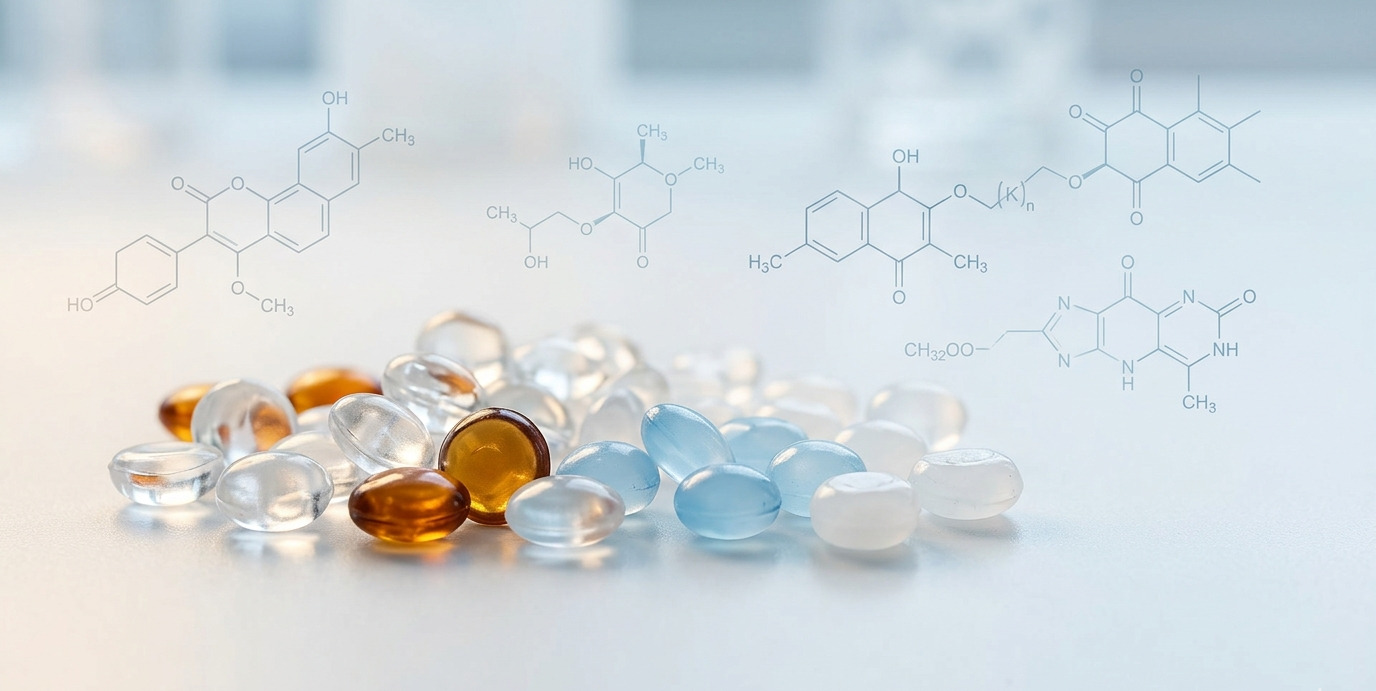
Bioplastics represent one of the most promising pathways toward sustainable materials, but few people realize that pure biopolymers rarely meet the performance requirements of real-world applications. The secret to transforming brittle, heat-sensitive biopolymers into durable products lies in a sophisticated toolkit of additives. Understanding these additives—what they do, how they work chemically, and which commercial products are available—is essential for anyone working with bioplastics.
Why Bioplastics Need Additives
Pure polylactic acid (PLA), one of the most common bioplastics, is inherently brittle with poor impact resistance. Polyhydroxyalkanoates (PHAs) can be too soft and weak for many applications. Starch-based bioplastics absorb moisture and lose dimensional stability. Without additives, these materials would be limited to niche applications where their shortcomings don’t matter.
Additives modify physical properties, enhance processing characteristics, extend service life, and enable bioplastics to compete with conventional polymers in demanding applications. The challenge is selecting additives that maintain the environmental benefits of the base biopolymer while delivering the necessary performance.
What Additives are out there?
Plasticizers: Adding Flexibility
Plasticizers are the workhorses of bioplastic formulation, used to overcome the brittleness that plagues many biopolymers. These molecules work by inserting themselves between polymer chains, increasing the free volume and molecular mobility. This reduces intermolecular forces—particularly hydrogen bonding in polar bioplastics—which lowers the glass transition temperature and increases flexibility.
For PLA, which has a glass transition around 55-60°C and is notoriously brittle at room temperature, plasticizers can dramatically improve ductility and impact resistance. The chemistry matters: PLA’s polar ester groups respond well to polar plasticizers that can form hydrogen bonds or dipole interactions with the polymer chains.
Commercial plasticizers for bioplastics include:
Citrate esters are among the most popular bio-compatible plasticizers. Jungbunzlauer’s Citrofol line includes acetyl tributyl citrate (ATBC) and tributyl citrate (TBC), which are FDA-approved for food contact and effectively plasticize PLA and starch-based polymers. Vertellus offers the competing Citroflex range. These esters work by disrupting chain packing without significantly migrating from the polymer matrix.
Glycerol is widely used in starch-based bioplastics, supplied as commodity glycerin by companies like Cargill and Wilmar International. Its three hydroxyl groups form extensive hydrogen bonding networks with starch, dramatically reducing brittleness. However, glycerol’s high hygroscopicity can cause moisture absorption issues in the final product.
Bio-based specialty plasticizers represent the cutting edge. Roquette’s Polysorb isosorbide-based plasticizers offer excellent compatibility with biopolyesters while being derived from renewable resources. HallStar’s Hallgreen bio-based plasticizer esters provide performance comparable to phthalates without the toxicity concerns. BASF’s Dehyton partially bio-based plasticizers balance performance with sustainability.
Nucleating Agents: Controlling Crystallization
Semicrystalline bioplastics like PLA face a critical problem: slow crystallization kinetics. During injection molding or extrusion, insufficient crystallization results in poor heat resistance, dimensional instability, and reduced mechanical properties. Nucleating agents solve this by providing sites where crystal formation can begin with lower activation energy, accelerating crystallization and controlling crystal size and morphology.
Chemically, nucleating agents work through heterogeneous nucleation—the nucleating agent surface serves as a template where polymer chains can align and begin forming ordered crystalline structures. The agent’s surface chemistry and crystal structure must be compatible with the polymer’s crystal lattice for effective nucleation.
Commercial nucleating agents include:
Takemoto Oil & Fat’s LAK-301 is specifically designed for PLA, an organic nucleating agent that dramatically accelerates crystallization and enables parts with high heat deflection temperatures. BASF’s Irgaclear XT 386 is an acetal-based nucleator that provides both nucleation efficiency and transparency maintenance in PLA.
Milliken’s Millad NX series and Hyperform products, originally developed for polypropylene, have been adapted for various biopolymers. These organic nucleators can reduce cycle times and improve properties when properly matched to the polymer.
Traditional mineral nucleators like talc (from suppliers including Imerys and Mondo Minerals) or sodium benzoate (commodity chemical from multiple suppliers) work in bioplastics but are generally less effective than organic nucleators specifically designed for biopolyesters.
Impact Modifiers: Toughening Brittle Bioplastics
Impact modifiers address one of bioplastics’ most significant weaknesses: poor impact resistance. These additives, typically elastomeric materials or core-shell particles, absorb and dissipate impact energy through plastic deformation, preventing catastrophic crack propagation through the rigid bioplastic matrix.
The mechanism involves creating a dispersed rubber phase that can undergo cavitation or shear yielding under stress. When impact occurs, these rubber domains deform and absorb energy, while also triggering shear banding in the surrounding matrix that further dissipates energy. For this to work effectively, the rubber phase must be well-dispersed and properly bonded to the matrix.
Commercial impact modifiers include:
DuPont’s Biomax Strong grades are specifically formulated for PLA toughening, improving impact resistance while maintaining bioplastic character. BASF’s Ecoflex, a polybutylene adipate terephthalate (PBAT), is commonly blended with PLA to improve toughness. Ecoflex itself is biodegradable, maintaining the end-of-life benefits of the formulation.
Arkema’s Biostrength acrylic impact modifiers and Nanostrength core-shell products are engineered for compatibility with polar biopolymers. These products feature surface functionalization that promotes bonding with ester groups in biopolyesters, ensuring effective stress transfer.
DuPont’s Elvaloy BioSA bio-based ethylene copolymers offer another approach, providing rubber-like toughening while increasing bio-based content. Dow’s Paraloid BPM series brings decades of acrylic impact modifier expertise to the bioplastics space.
Thermal Stabilizers: Protecting Against Heat Degradation
Bioplastics are generally more thermally sensitive than conventional polymers, with ester linkages that undergo chain scission, hydrolysis, and transesterification at processing temperatures. Thermal stabilizers interrupt these degradation pathways through multiple mechanisms: scavenging free radicals, decomposing hydroperoxides, chelating metal catalysts, and neutralizing acidic degradation products.
For polyesters like PLA, stabilization requires addressing both oxidative degradation (through antioxidants) and hydrolytic degradation (through moisture control and hydrolysis inhibitors). The chemistry involves donating hydrogen atoms to stabilize polymer radicals, or converting unstable peroxide groups to stable alcohols before they can propagate degradation.
Commercial thermal stabilizers include:
BASF’s Irganox series includes industry-standard phenolic antioxidants like Irganox 1010 and 1076, which provide primary antioxidant protection by donating hydrogen to polymer free radicals. These are typically combined with phosphite secondary antioxidants like BASF’s Irgafos 168, which decompose hydroperoxides before they generate more radicals.
Solvay’s Cyanox hindered phenol antioxidants and Songwon’s Songnox phosphite stabilizers offer competing products with similar mechanisms. Addivant’s Lowinox phenolic antioxidants and Doverphos phosphite processing stabilizers provide additional options.
For bioplastics specifically, these antioxidants are often combined with specialized stabilizers. Carbodiimide-based products like Rhein Chemie’s Stabaxol provide hydrolytic stabilization by scavenging water and reacting with carboxylic acid end groups that catalyze degradation.
UV Stabilizers: Extending Outdoor Durability
Bioplastics intended for outdoor applications need protection against photodegradation from UV radiation. UV stabilizers work through two complementary mechanisms: UV absorbers convert harmful UV energy to harmless heat through internal molecular rearrangement, while hindered amine light stabilizers (HALS) scavenge the free radicals generated when UV radiation does break polymer bonds.
The chemistry of UV absorbers typically involves aromatic compounds with extended conjugation that can absorb UV photons and dissipate the energy through non-radiative relaxation pathways. HALS compounds contain hindered amine groups that can repeatedly cycle through radical-scavenging reactions, providing long-term protection.
Commercial UV stabilizers include:
BASF’s Tinuvin series dominates the market with products like Tinuvin 328 and 1130 (benzotriazole UV absorbers) and Tinuvin 770 and 944 (HALS). The Chimassorb line from BASF offers high-performance HALS for demanding applications.
Solvay’s Cyasorb UV products, including the polymeric HALS Cyasorb UV-3346, provide alternatives with different solubility and migration characteristics. Clariant’s Hostavin UV absorbers and Sanduvor HALS stabilizers round out the major offerings.
For bioplastics, combinations of UV absorbers and HALS typically provide the best protection, with careful selection to ensure compatibility with the polar polymer matrix and compliance with any biodegradability requirements.
Processing Aids: Improving Manufacturability
Processing aids reduce friction, improve melt flow, and enable lower processing temperatures—critical for heat-sensitive bioplastics. These additives work by migrating to the polymer-metal interface (external lubrication) or by reducing melt viscosity through plasticization effects (internal lubrication). Some provide both effects simultaneously.
Chemically, these are typically low-molecular-weight compounds with structures similar to the polymer (for internal effects) or with polar groups that interact with metal surfaces (for external effects). In bioplastics, the challenge is finding lubricants that are compatible with polar polymers and meet sustainability requirements.
Commercial processing aids include:
Clariant’s Licowax PE waxes and Licomont fatty acid esters provide both conventional and bio-based options for processing aid applications. Emery Oleochemicals’ Loxiol bio-based lubricants are specifically designed for sustainable polymer processing.
Struktol’s processing aid portfolio includes bio-based options compatible with bioplastic processing requirements. Croda’s Crodamide fatty acid amides, derived from natural oils, provide effective slip and antiblock properties.
For bio-based formulations, Lonza’s Glycolube series of glycerol esters offers FDA-approved processing aids derived from renewable resources, maintaining the sustainability profile of the finished product.
Fillers and Reinforcements: Adding Strength and Value
Fillers serve multiple purposes: reinforcing mechanical properties, improving dimensional stability, providing cost reduction, and sometimes enhancing biodegradability. Natural fibers have particular synergy with bioplastics due to their compatible polarity and renewable origins.
The mechanism of reinforcement depends on the filler type. Rigid particles restrict polymer chain motion and can bear load if properly bonded to the matrix. Natural fibers provide tensile reinforcement along their length. Nanofillers create enormous interfacial areas that restrict chain mobility even at low loadings.
Commercial fillers and reinforcements include:
Natural fibers from JRS including Arbocel cellulose fibers and Jelucel wood fiber products are specifically processed for polymer compounding. Jelu-Werk’s Rettenmaier fibers and products from Greenfield Natural Fibers (hemp and flax) provide renewable reinforcement with good compatibility with polar bioplastics.
Mineral fillers like Omya’s calcium carbonate grades, Imerys’ Jetfine ultra-fine calcium carbonate, and Imerys’ Luzenac and Mistron talc products provide cost-effective reinforcement and improved dimensional stability.
Nanofillers represent advanced reinforcement. BYK’s Cloisite organomodified nanoclays, Nanocor’s Nanomer products, CelluForce’s cellulose nanocrystals, and FiberLean Technologies’ Keystone microfibrillated cellulose offer dramatic property improvements at low loadings (typically 1-5%) through nanoscale reinforcement mechanisms.
Compatibilizers: Making Blends Work
Few bioplastic formulations use a single polymer. Blending different bioplastics, adding conventional polymers for property modification, or incorporating fillers often creates phase separation problems. Compatibilizers solve this by creating chemical or physical bridges between incompatible phases.
These molecules typically have dual functionality: one part compatible with or reactive toward one phase, and another part compatible with the second phase. For natural fiber reinforcement, compatibilizers often contain reactive groups (maleic anhydride, silanes) that can bond to hydroxyl groups on fiber surfaces while remaining compatible with the hydrophobic polymer.
Commercial compatibilizers include:
DuPont’s Fusabond functionalized polyolefins, SK Functional Polymer’s Orevac grafted PE and PP, and BYK’s Scona reactive compatibilizers provide maleic anhydride functionality for bonding to natural fibers or polar polymers. Addivant’s Polybond maleated polyolefins offer similar functionality.
For biopolymer blends specifically, Arkema’s Biostrength compatibilizers and DuPont’s Biomax modifiers are designed to improve compatibility between different biopolymers, particularly PLA-based blends.
BASF’s Joncryl ADR series provides multifunctional chain extenders that also serve as compatibilizers through their multiple reactive groups, particularly useful in polyester blends.
Chain Extenders: Rebuilding Molecular Weight
Chain extenders are unique to bioplastics processing, rarely needed for virgin conventional polymers but critical for biopolyesters. These compounds rebuild molecular weight by chemically coupling polymer chains that have undergone degradation during processing or recycling.
The chemistry involves reactive groups (typically epoxy, carbodiimide, or isocyanate) that react with carboxylic acid or hydroxyl chain ends to form new covalent bonds, effectively stitching shorter chains back into longer molecules. This restores melt strength and mechanical properties.
Commercial chain extenders include:
BASF’s Joncryl ADR series, particularly ADR-4368 and ADR-4370, are styrene-acrylic multifunctional chain extenders specifically designed for polyesters. These products contain multiple epoxy groups that react with carboxylic acid end groups during processing.
Rhein Chemie’s Stabaxol carbodiimide-based chain extenders provide both chain extension and hydrolytic stabilization by reacting with water and carboxylic acids. Angus Chemical’s Picassian carbodiimide stabilizers offer similar functionality.
Clariant’s CESA Extend PLA chain extender masterbatches provide convenient chain extension in an easy-to-dose format, particularly useful for recycling operations.
Antimicrobial Agents: Preventing Microbial Growth
For food packaging and medical applications, antimicrobial agents prevent bacterial and fungal growth on bioplastic surfaces. These work through various mechanisms: metal ion release (silver, zinc), membrane disruption, metabolic interference, or generation of reactive oxygen species.
The challenge with bioplastics is ensuring antimicrobial efficacy without interfering with intended biodegradation in composting environments, and without releasing substances that fail ecotoxicity testing.
Commercial antimicrobial agents include:
BASF’s Irgaguard silver-based antimicrobials provide broad-spectrum protection through controlled silver ion release. Microban International’s Microban technologies offer various antimicrobial options including silver, zinc, and organic alternatives. Sciessent’s Agion silver ion antimicrobials use zeolite carriers for controlled release.
Sinanen Zeomic’s Zeomic silver zeolite technology provides another approach to sustained silver ion delivery. For natural alternatives, Handary’s Niseen natural preservatives offer antimicrobial activity from bio-based sources.
Selecting the Right Additives
Successful bioplastic formulation requires balancing multiple factors: compatibility with the polar polymer matrix, thermal stability within narrow processing windows, maintenance of biodegradability if required, compliance with food contact regulations, and cost constraints.
The polar nature of most bioplastics means that many conventional polymer additives designed for non-polar polyolefins won’t work effectively. Migration, phase separation, and poor dispersion frequently occur when conventional additive packages are simply transferred to bioplastic formulations.
Additionally, if the end goal includes compostability certification (EN 13432, ASTM D6400), every component including all additives must meet biodegradation rates and ecotoxicity limits. This eliminates many high-performance conventional additives and drives development of bio-based alternatives.
The Future of Bioplastic Additives
The additive industry is responding to bioplastics’ growth with innovation in several directions: developing bio-based versions of proven additive chemistries, creating new additives specifically designed for biopolymer compatibility, improving performance of biodegradable additives, and reducing costs through scale and process improvements.
As bioplastics move from niche applications into mainstream markets, the sophistication of available additive systems continues to increase. Understanding the chemistry, function, and commercial availability of these additives is essential for anyone working to harness bioplastics’ potential while delivering the performance that real-world applications demand.
The transformation of brittle, heat-sensitive biopolymers into durable, processable materials happens molecule by molecule through carefully selected additives. These behind-the-scenes ingredients make the bioplastics revolution possible.