CLAYTON, Mo. & THE WOODLANDS, Texas — In a major step toward reshaping the North American industrial landscape, shareholders of Olin Corporation and Huntsman Corporation have overwhelmingly approved an all-stock merger of equals. The transaction, valued at approximately $12.5 billion, received approval from 97% of votes cast at Olin and 99% at Huntsman during special meetings held on August 25, 2026. The approval clears a critical threshold to establish OlinHuntsman Corporation, creating a highly integrated chemicals platform spanning 55 production sites across 25 countries.
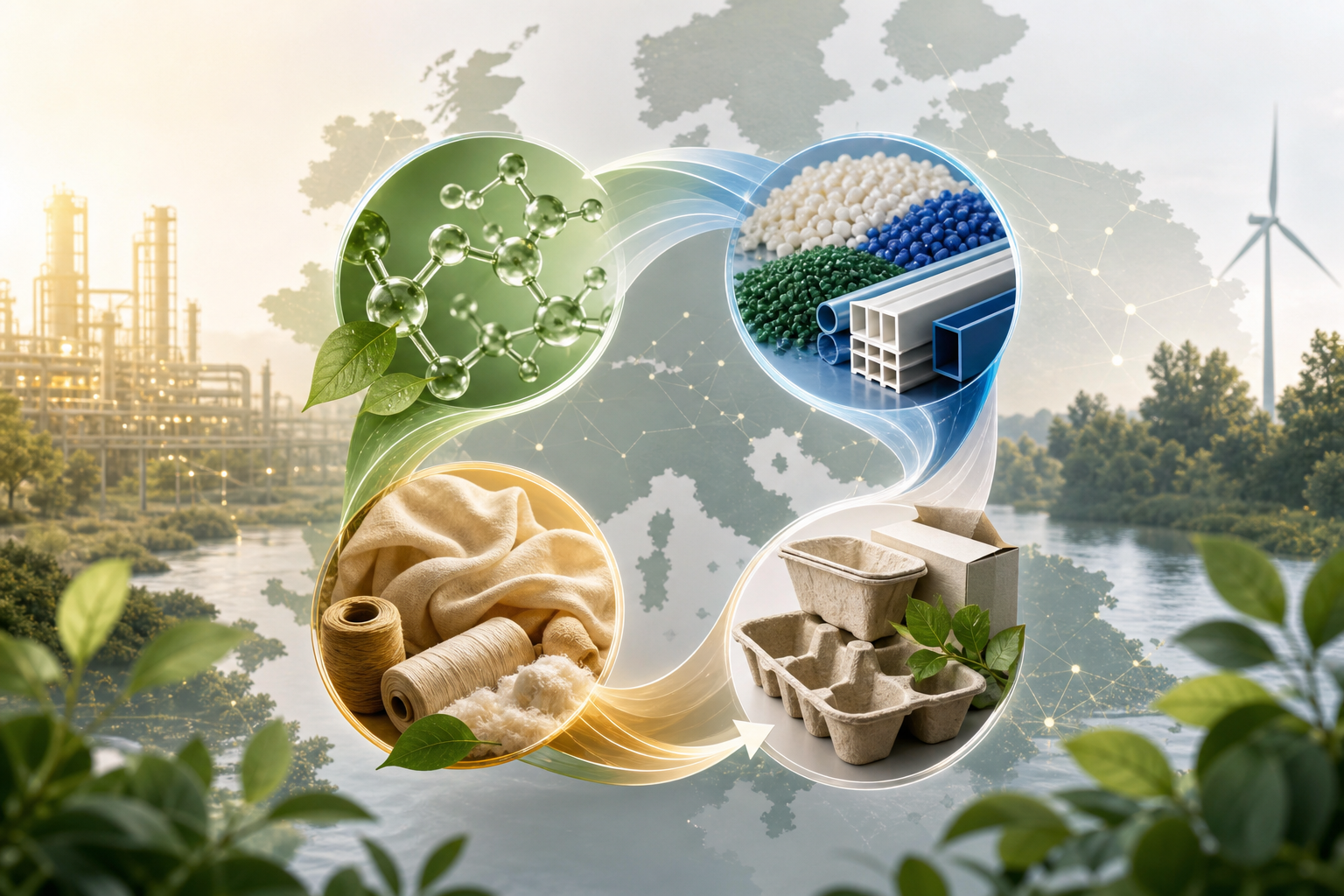
In July 2026, the Bio-based Industries Consortium (BIC) published what may be the most comprehensive evidence base to date on Europe’s bio-based products sector. The two-part study, developed with BIC members across the value chain, maps lead markets across four strategic sectors — chemicals, plastics and polymers, fibre-based packaging, and textiles — and translates that mapping into a concrete policy agenda. The conclusion is unambiguous: Europe has the industrial capacity, the technical expertise, and the feedstock access to lead globally in bio-based products. What it lacks is a regulatory framework that stimulates demand.
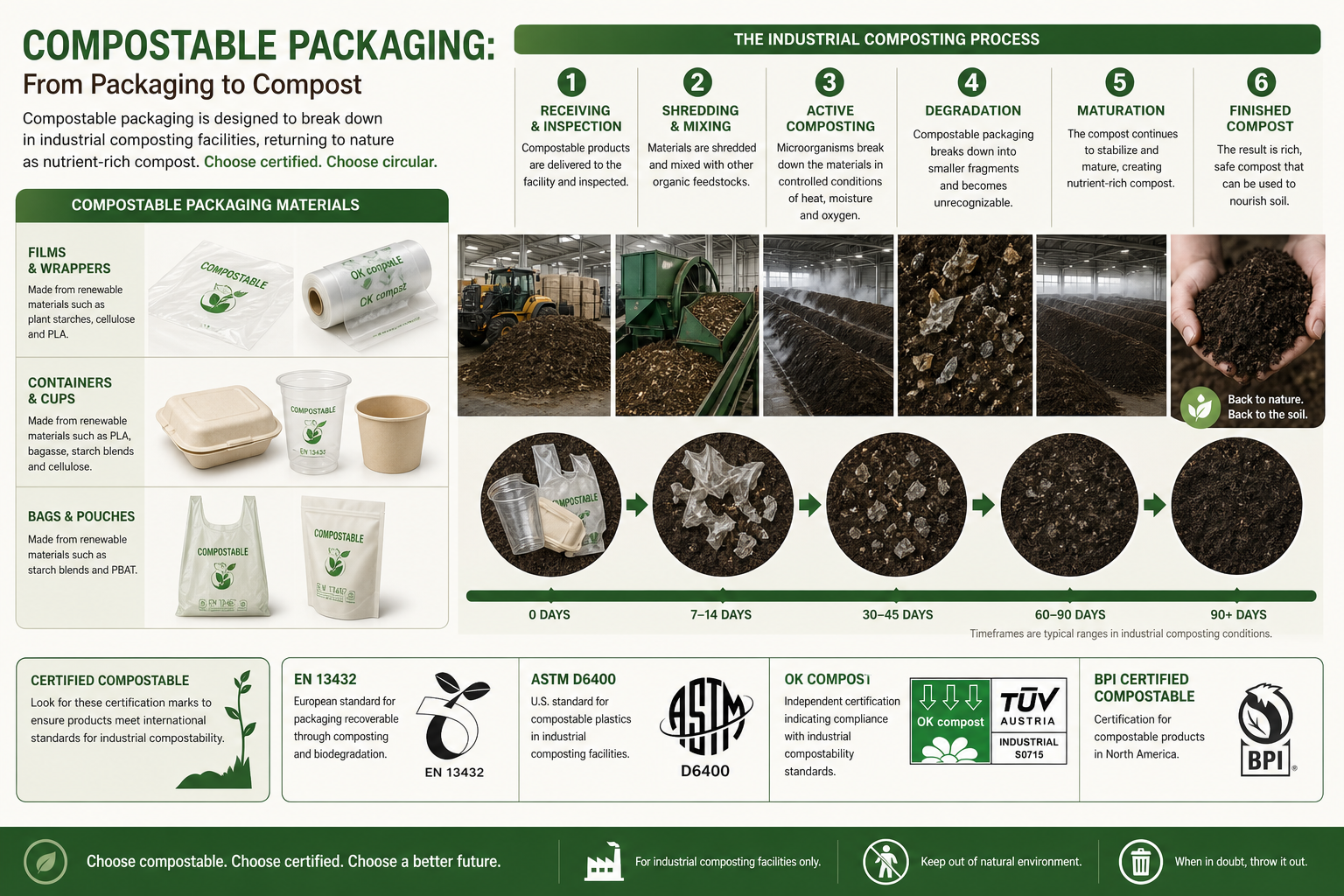
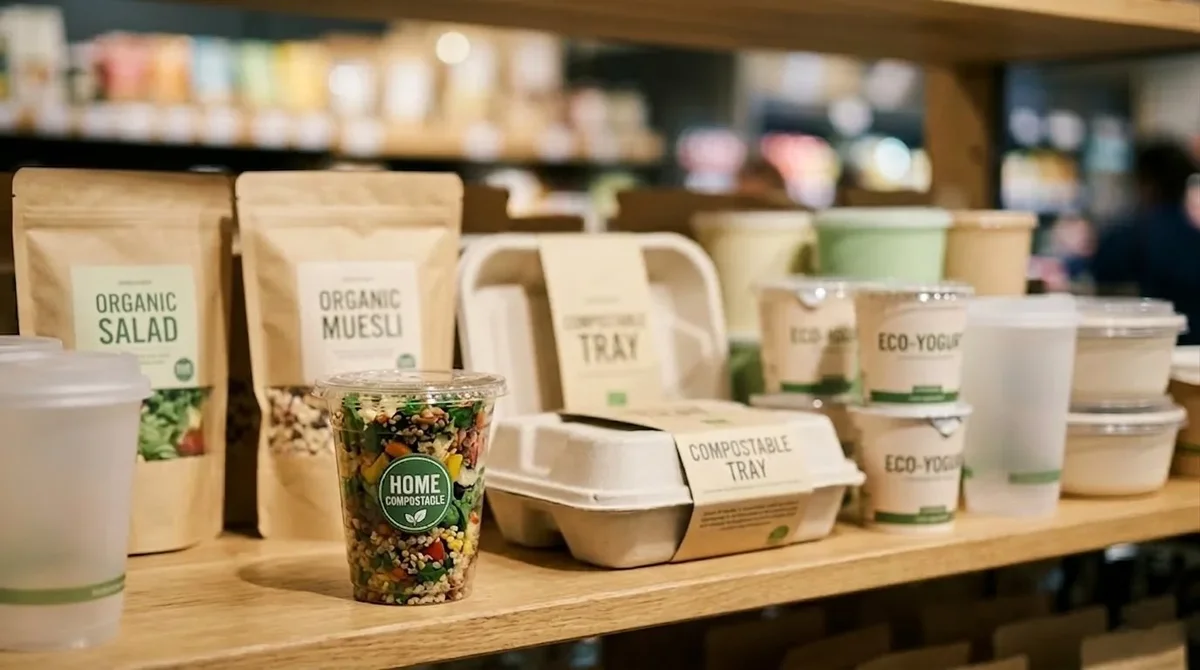
Bioelements provides a comprehensive guide to compostable packaging, covering definitions, mechanisms, and the certifications that validate true compostability in industrial and home settings.
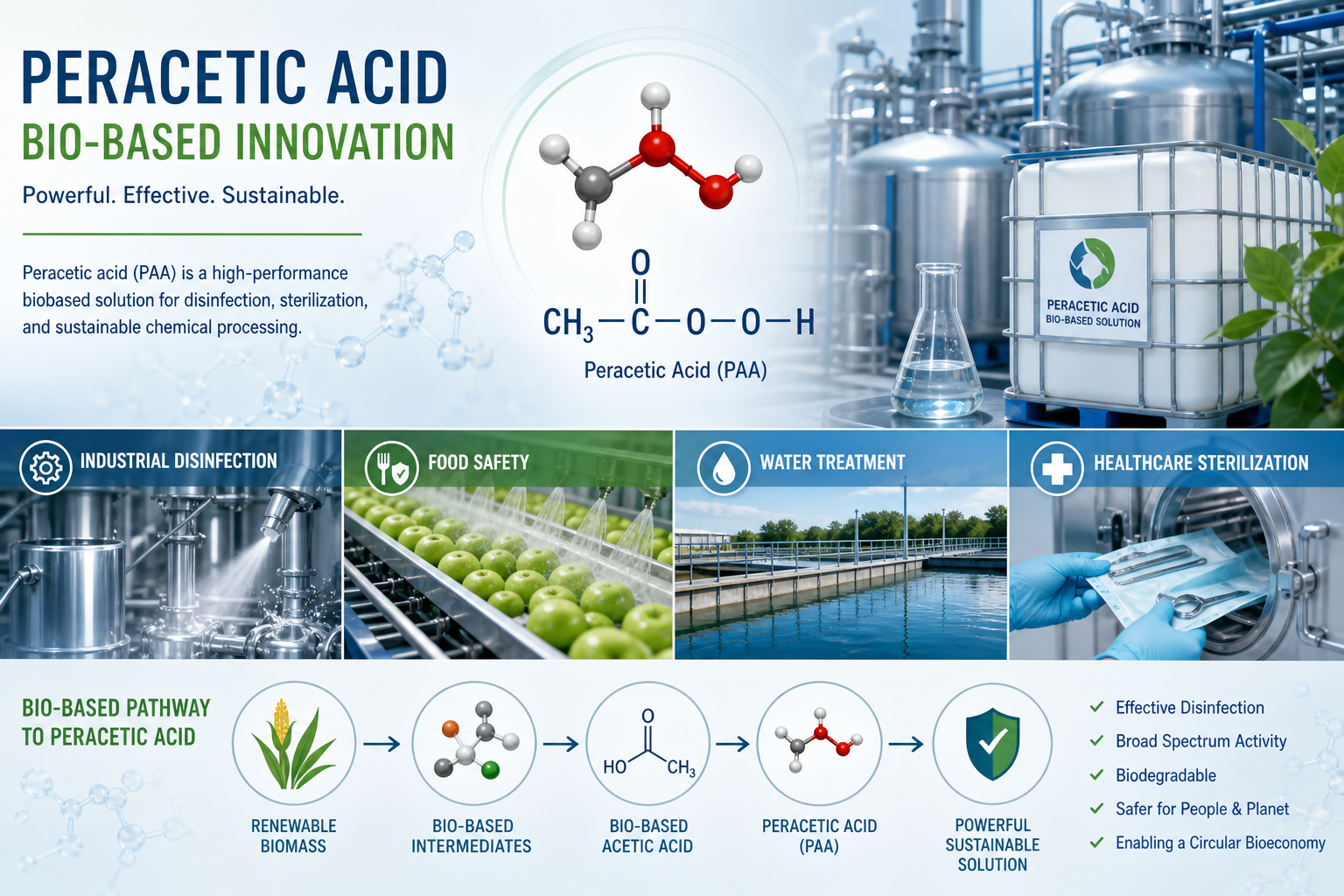
Peracetic acid is a versatile disinfectant used across food safety, water treatment, healthcare, and industrial processing. As demand grows toward a $300 million North American market by 2031, bio-based peracetic acid from renewable acetic acid offers a path to lower Scope 3 emissions and more resilient supply chains.
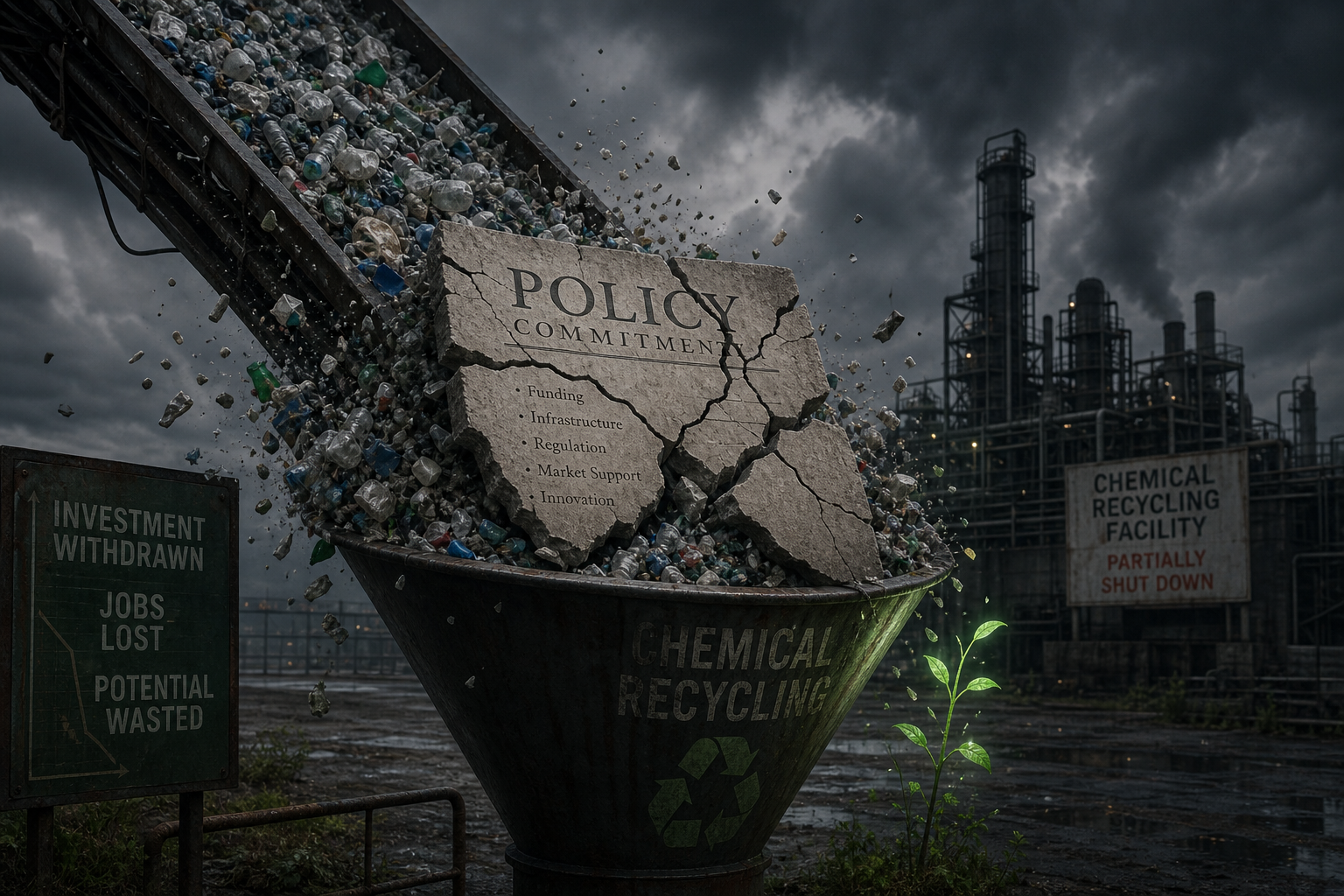
Viridor’s shutdown of its European chemical recycling operations — acquired for £90M via Quantafuel — despite achieving 70-75% dry yields, exposes the brutal economics undermining the sector. Technology works, but policy gaps, cheap virgin plastic, and Chinese overcapacity are killing investment.
Cellulose is the most abundant organic polymer on Earth. Now innovators are turning wood pulp, agricultural waste, and even CO2 into high-performance bioplastics that could reshape packaging. This article explores the technology, players, and market potential.
PEF (polyethylene furanoate) is a 100% plant-based polymer with superior barrier properties compared to PET. This deep dive explores the technology, market potential, key players, and challenges facing the most promising PET alternative since bioplastics went mainstream.
Mechanical recycling alone cannot solve the plastic waste crisis. Chemical recycling breaks plastics down to molecular level, enabling infinite recycling loops. This guide explores the technologies, commercial reality, and whether it truly delivers on its circular economy promise.
Polyhydroxyalkanoates (PHA) have been known for nearly a century — and are only now reaching commercial scale. A deep dive into the material, the market, and the remaining hurdles.
PLA (polylactic acid) is the world’s most widely used bioplastic — found in packaging, 3D printing filament, textiles, and disposable cutlery. This comprehensive guide covers how PLA is made, its properties, applications, limitations, and why it’s central to the bioplastics revolution.
Bioplastics and traditional recycling systems have a complicated relationship. Can they coexist? We examine the contamination debate, sorting technology advances, and how the circular economy is adapting to handle both.
For a decade, PLA and PHA were cast as rival biopolymers. In 2026, the market has moved on — industry partnerships, blending data, and EU regulatory pressure are converging to make PLA/PHA combinations the pragmatic path forward for compostable packaging. Here is what the evidence actually shows.
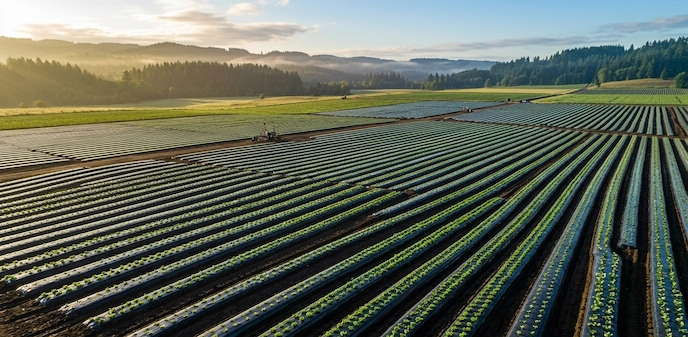
Biodegradable mulch films are accused of creating harmful microplastics and leaching toxic additives into soil. The science is real — but the conclusions being drawn from it are often wrong. Here is a material-by-material breakdown of what the evidence actually shows, what should be restricted, and why bioplastic films are still better than polyethylene.
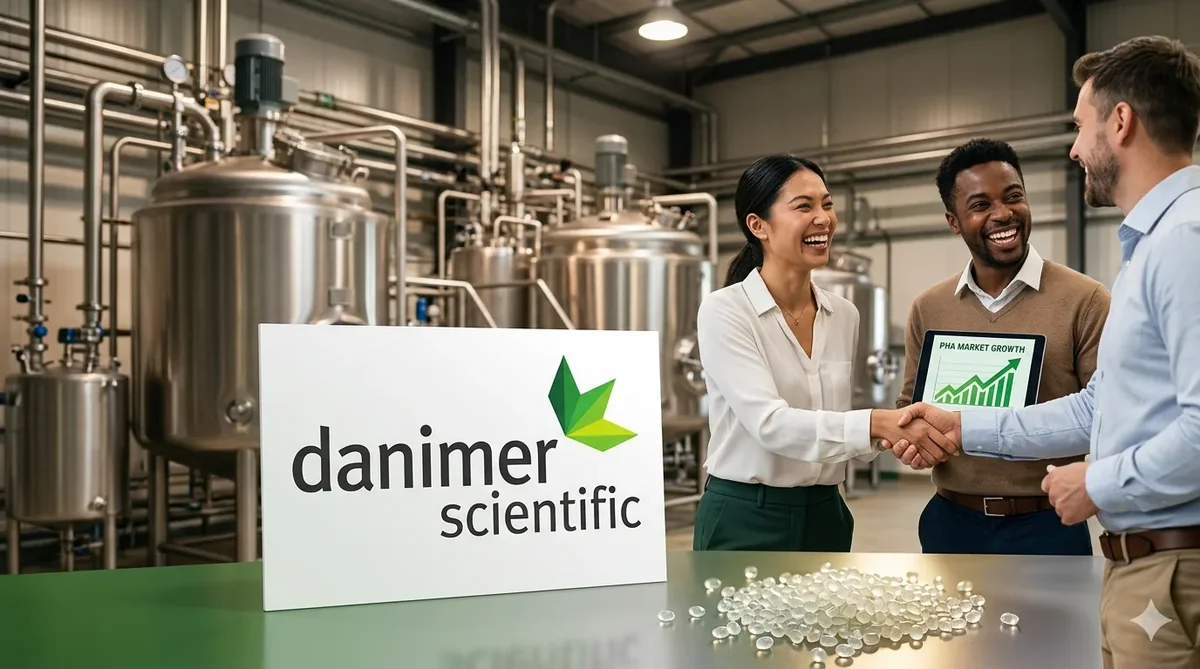
Just twelve months after filing for Chapter 11 bankruptcy, Danimer Scientific’s Winchester, Kentucky PHA facility is expanding under new owner Teknor Apex. Here’s why this is more than a corporate comeback — it’s a confidence signal for the entire PHA sector.
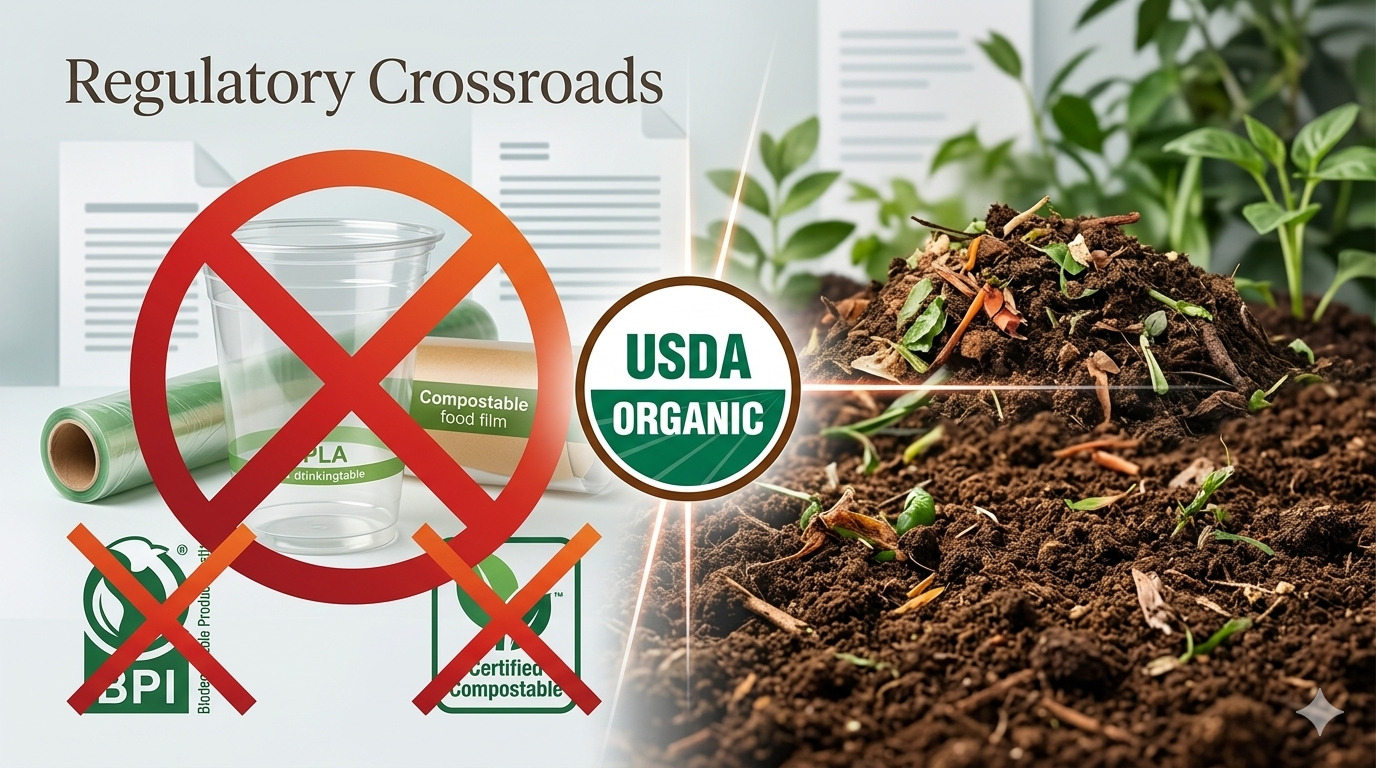
The USDA’s National Organic Standards Board voted unanimously to reject synthetic compostable materials as allowable feedstocks for certified organic compost, dealing a major blow to the bioplastics industry.
Brazil’s antitrust regulator has just approved private equity firm IG4 Capital’s takeover of Braskem, the world’s largest biopolymer producer. Here’s why it happened — corruption, sinkholes, and a brutal petrochemical downturn — and what it means for the bioplastics sector.
A business commentary on Corbion’s exit from the TotalEnergies Corbion joint venture — analyzing the financial logic, margin differentials, and what it means for the economics of PLA and the broader bioplastics industry.